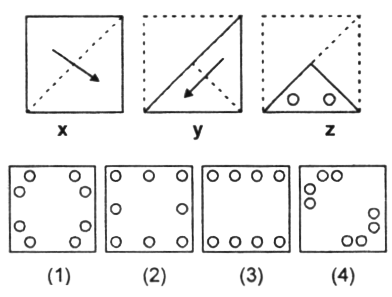
Introduction
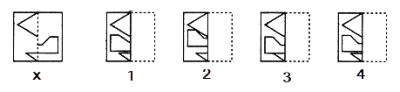
Paper folding and unfolding is a spatial reasoning topic. It involves visualizing how a piece of paper is folded, marked or cut, and then predicting its appearance when fully opened. This tests your ability to imagine 2D and 3D transformations.
Explanation Step by Step
The core logic behind this topic is symmetry. Think of every fold line as a mirror. When you unfold the paper, the pattern on one side reflects perfectly onto the other side. If you punch a hole in a folded corner, it multiplies based on the number of layers.
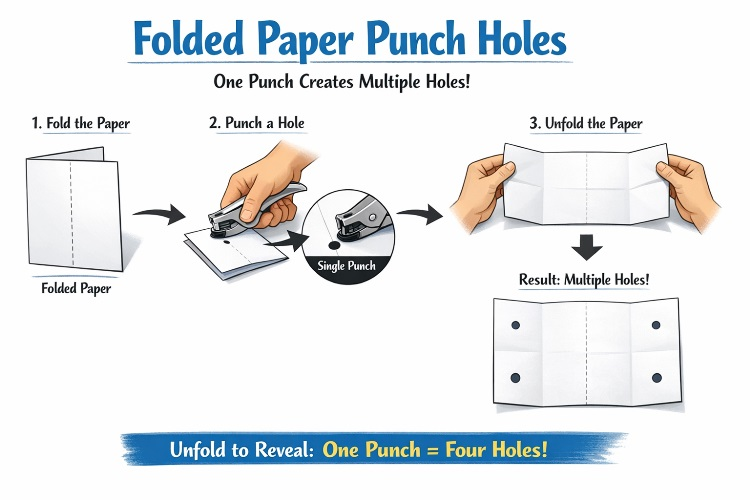
Visual guide showing how a single punch in a folded paper results in multiple holes after unfolding.
Sub-topics
Symmetry and Pattern Recognition
Understanding horizontal and vertical symmetry is crucial. Each fold creates a new axis of symmetry.
Examples
Example 1
Tricks and Shortcuts
Count the number of layers. If there are 4 layers, 1 punch usually creates 4 holes. Always work backward from the last fold to the first.
Common Mistakes
Ignoring the exact position of the cut. A cut on a fold line looks different from a cut in the middle of the surface.
Practice Questions
Easy Questions
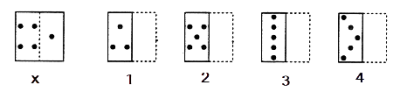
Medium Questions
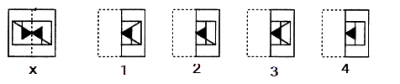
Hard Questions
Revision Summary
Success in paper folding depends on mastering mirror images and layer counting. Practice visualizing each step backward.