Introduction
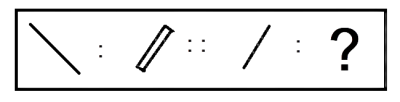
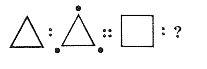
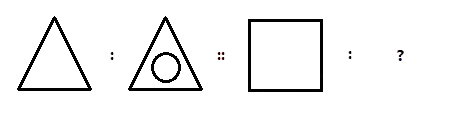
Correlation in figures involves finding a specific logic or pattern between two images and applying that same logic to find a missing fourth image. It is like a visual puzzle based on relationships.
Explanation Step by Step
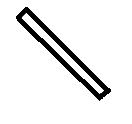
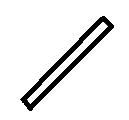
To solve these questions, compare the first figure with the second figure. Ask yourself: What changed? Did it rotate? Did it grow? Did the color change? Once you identify the "rule," apply that exact rule to the third figure to find the answer.
Sub-topics
Types of Figure Correlation
Common patterns include:
- Rotation (turning the shape).
- Inversion (flipping the shape upside down).
- Addition or deletion of parts.
- Size transformation.
Examples
Example 1
Tricks and Shortcuts
Always check the number of sides of the shapes first. Then check the movement (90, 180, or 270 degrees) of the internal components.
Common Mistakes
Ignoring small details like a tiny dot or a thin line. Not maintaining the same direction of rotation as established in the first pair.
Practice Questions
Easy Questions
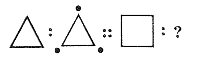
Medium Questions

Hard Questions

Revision Summary
Success in figure correlation comes from careful observation. Identify the rule of change (Rotation, Size, Number, or Position) to find the correct answer.