Introduction
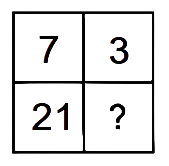
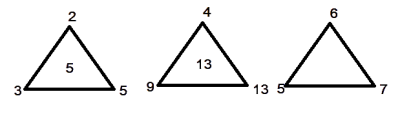
Puzzles are problems designed to test ingenuity or knowledge. In mathematical puzzles, numbers are arranged in specific patterns within shapes like squares, circles, or triangles.
Explanation Step by Step
A common puzzle involves a 3x3 grid with nine squares. Eight squares contain numbers based on a specific logic, while one is left blank. The logic can involve prime numbers, square numbers, or operations like horizontal, vertical, or diagonal addition.
Sub-topics
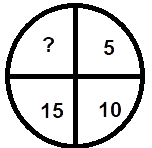
Numbers in square and circle, triangle
This sub-topic focuses on identifying patterns within geometric shapes. You must observe how numbers increase, decrease, or relate to their opposite positions.
Examples
Example 1
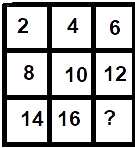
In a 3x3 square, the first row contains 2, 4, 6, and the second row contains 8, 10, 12. What comes after 14, 16 in the third row?
Here, 2 has been added to each number (consecutive even numbers).
Answer: 18
Tricks and Shortcuts
Always check for squares (1, 4, 9, 16...) and cubes (1, 8, 27, 64...) first, as they are very common in competitive exam puzzles.
Common Mistakes
Don't jump to a conclusion after checking only one row. A valid pattern must work for all completed rows or columns in the grid.
Practice Questions
Easy Questions
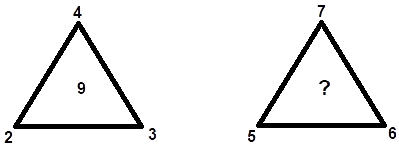
Medium Questions
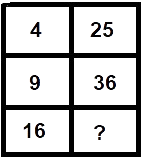
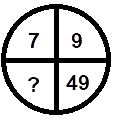
Hard Questions
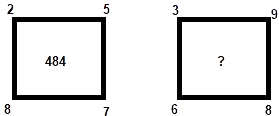
Revision Summary
Success in puzzles depends on pattern recognition. Practice different types of operations including addition, subtraction, multiplication, and squares.